

Kilimanjaro Trek – Lemosho Route (8 days)
Tour Overview
The Lemosho route offers an eight‑day ascent up Kilimanjaro via the quiet west side. It features extensive wilderness sections, scenic Shira Plateau crossings and excellent acclimatization, resulting in one of the highest summit success rates.
The size of both the selected Lake Manyara and Ngorongoro Crater national parks, make them a perfect choice for our shorter safaris, or a photographic safari.
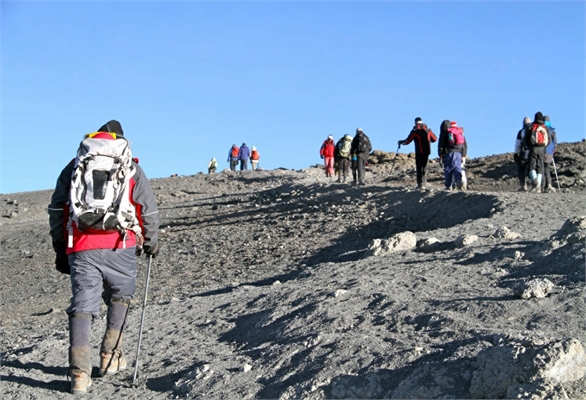
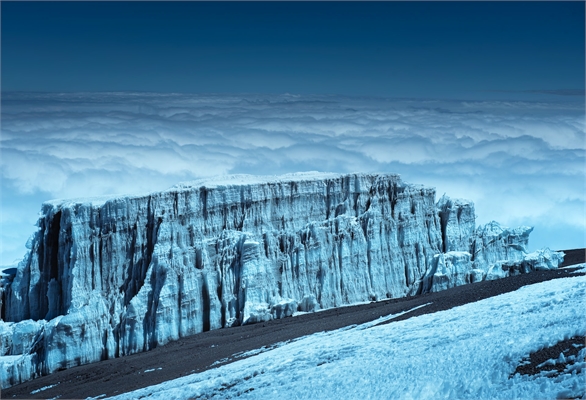
Starting at Londorosi Gate, the trek hugs the western slopes through rainforest to Shira Ridge. After crossing Shira Plateau the trail joins Machame near Lava Tower, then follows the Southern Circuit under the ice field before summiting via Barafu and descending on Mweka.
Included and Excluded
- Entrance fees into all Tanzania National Parks.
- Full board accommodation at Safari Lodges
- Return Airport Transfers from/to Kilimanjaro International Airport
- Bottled mineral water while on Game Drives
Excluded
- Drinks of choice at Safari Lodges
- Tips and gratuities for guide and lodge staff
- Internal and International flights
- Extra excursions / services available at Safari Lodges
- Internal and International flights
Itinerary
After an early breakfast at 07:00hrs, you leave the hotel at 08:00hrs, reaching Londorosi Gate around 11:00hrs to complete formalities and enjoy a picnic lunch. After a short drive, start your 7 km/4 miles walk, which takes approximately 3.5–4 hours. Starting at 2,100m, you finish at 2,650m. The forest walk offers the chance to spot colobus or blue monkeys and colorful flowers.
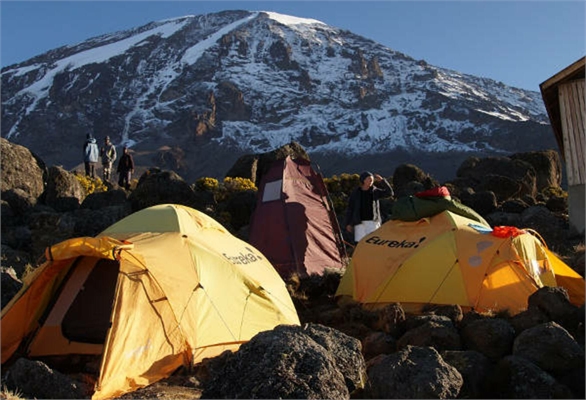
Accommodation: Tents at Mti Mkubwa
Starting at 08:00hrs, you ascend from 2,650m to 3,610m, covering 8 km/5 miles in about 4.5–5 hours. The trek includes a forest ridge climb and transitioning to moorland with views of Shira Plateau and Kibo.
Hiking Time and Elevation: 4.5–5 hours, from 2,650m to 3,610mAccommodation: Tents at Shira 1 Camp
Enjoy a leisurely breakfast at 08:00hrs and depart at 09:00hrs. Trek 7 km/4 miles over 3.5–4 hours, with an optional detour to Shira Cathedral for panoramic views.
Accommodation: Tents at Shira 2 Camp
Climb to Lava Tower (4,600m) before descending to Barranco Camp (3,900m). Cover 10 km/6 miles over 6.5–7 hours through alpine desert terrain.
Accommodation: Tents at Barranco Camp
Overcome the Barranco Wall and trek 4 km/2 miles over 3.5–4 hours to Karanga Camp (3,995m), enjoying scenic views of glaciers and valleys.
Accommodation: Tents at Barranco Camp
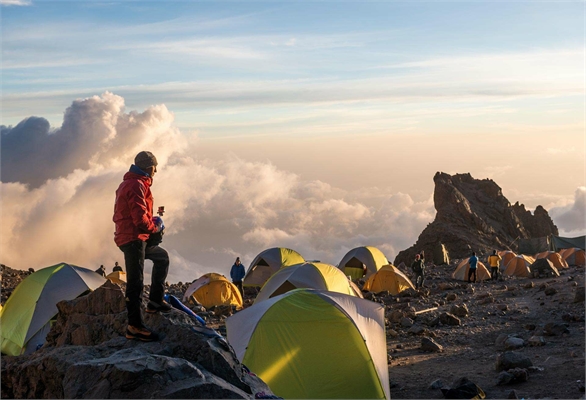
Trek 5 km/3 miles in 3.5–4 hours, ascending to Barafu Camp (4,673m). Relax and prepare for the summit push.
Accommodation: Tents at Barafu Camp
Summit day starts at midnight, climbing from Barafu (4,673m) to Uhuru Peak (5,895m) before descending to Mweka Camp (3,100m). Cover 17 km/10 miles over 11–14 hours.
Accommodation: Tents at Mweka Camp
Descend 10 km/6 miles to Mweka Gate (1,640m) over 3 hours. Receive your summit certificates and return to Moshi by vehicle.
Transport: 0.8-hour drive to Moshi
Frequently Asked Questions
The best time for a Tanzania safari varies based on your interests. The dry season, from June to October, is perfect for wildlife viewing and witnessing the Great Migration in the Serengeti. The calving season, between January and March, offers a chance to see newborn animals and predator activity, while the green season from April to May provides lush landscapes and fewer tourists.
Yes, most travelers require a visa to enter Tanzania. You can obtain one on arrival at major airports or land borders, or through Tanzania's online eVisa system. Be sure to confirm specific requirements for your nationality before your trip.
Tanzania is considered a safe destination for travelers, especially in popular safari areas. However, it’s important to follow safety guidelines, such as staying in designated areas, adhering to your guide's instructions, and safeguarding your personal belongings.
Pack lightweight, neutral-colored clothing, comfortable shoes, sunscreen, insect repellent, a wide-brimmed hat, and binoculars. Include layers for cool mornings and evenings, and bring a camera to capture the incredible wildlife and scenery.
Tanzania offers a wide range of accommodations to suit different preferences and budgets. Options include luxury lodges, tented camps, mid-range hotels, and budget-friendly campsites. Many accommodations are located within or near the national parks, providing close access to wildlife and immersive safari experiences.