


3‑Day Tarangire, Ngorongoro & Manyara
Tour Overview
This compact three‑day tour hits the highlights of Tanzania’s northern wildlife circuit. Begin among Tarangire’s huge elephant herds and iconic baobabs, then descend into the Ngorongoro Crater’s wildlife‑packed rim and floor. Finish with a drive along Lake Manyara’s soda lake, home to flamingos, hippos and lions that climb into the trees. Ideal for travellers wanting variety in a short timeframe.
Included and Excluded
- Entrance fees into all Tanzania National Parks.
- Full board accommodation at Safari Lodges
- Return Airport Transfers from/to Kilimanjaro International Airport
- Bottled mineral water while on Game Drives
Excluded
- Drinks of choice at Safari Lodges
- Tips and gratuities for guide and lodge staff
- Internal and International flights
- Extra excursions / services available at Safari Lodges
- Internal and International flights
Itinerary
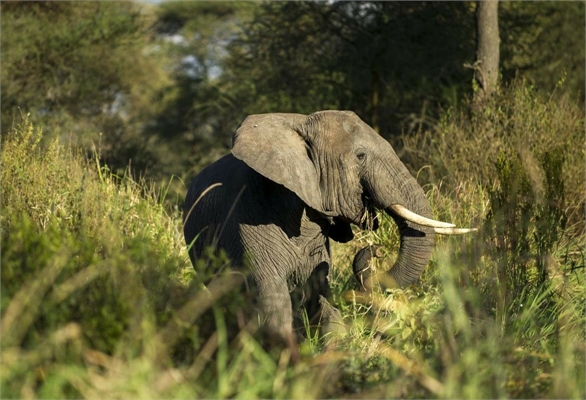
Your safari begins in Arusha where our driver-guide will meet you and transfer you west towards Tarangire. Bring a packed lunch to enjoy amid the park’s baobab-dotted plains and watch stately elephant herds browse nearby. In the late afternoon you’ll exit the park and settle into a lodge close to the southern gate.
Tarangire is famous for its concentration of elephants—the highest in the country—and for the seasonal river that supports prolific birdlife and grazing mammals. Expect intimate wildlife encounters and glimpses of Maasai herders tending cattle along the park boundary.
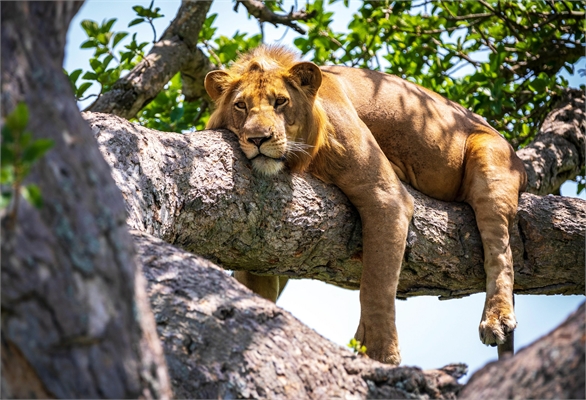
On day two, depart early for Lake Manyara after breakfast, carrying packed lunches for a picnic near the shore. Your game drive will search for the park’s unusual tree‑climbing lions, as well as troops of baboons and hippos in the lake. Evening returns to the lodge for dinner and rest.
Manyara is best known for its soda lake fringed by acacia forest; flamingos blanket the shallows during the rains, and buffalo roam the floodplains. Bird enthusiasts will delight in the park’s over 400 species, while photographers love capturing lions lounging above the canopy.
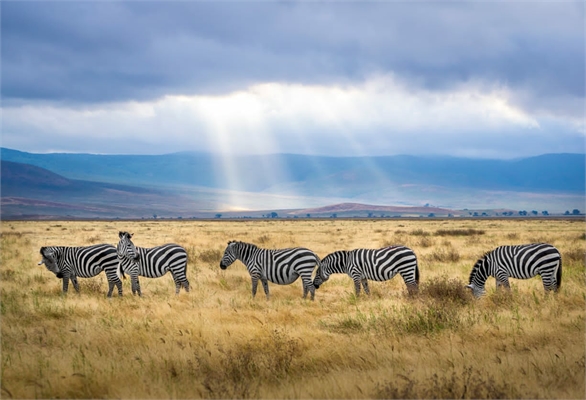
Day three begins with a short drive to the Ngorongoro Conservation Area. After descending the crater rim, spend the day tracking rhino, elephant, lion and wildebeest on the crater floor. Picnic lunch is served near a hippo pool before ascending in the late afternoon for your return drop‑off in Arusha or at the airport.
Ngorongoro’s 260 km² crater is unique, containing density of wildlife rivalled nowhere else on earth. Its closed ecosystem allows predators and prey to coexist within camera distance, making it a highlight of any Tanzania safari.
Frequently Asked Questions
The best time for a Tanzania safari varies based on your interests. The dry season, from June to October, is perfect for wildlife viewing and witnessing the Great Migration in the Serengeti. The calving season, between January and March, offers a chance to see newborn animals and predator activity, while the green season from April to May provides lush landscapes and fewer tourists.
Nearly all visitors will need a Tanzanian entry visa. It can be issued on arrival or applied for online in advance—check the official government site to confirm the fee for your nationality.
Safaris in Tanzania’s national parks are generally very safe; simply follow your guide’s instructions, do not exit the vehicle in undesignated spots and keep valuables secured.
Bring breathable, earth‑tone clothing, sturdy walking shoes, sun protection, insect repellent and binoculars. Layers are useful for cool dawns and warm afternoons; don’t forget a camera and spare batteries.
Tanzania offers a wide range of accommodations to suit different preferences and budgets. Options include luxury lodges, tented camps, mid-range hotels, and budget-friendly campsites. Many accommodations are located within or near the national parks, providing close access to wildlife and immersive safari experiences.